Shipping USA-Wide
 Canadian Store








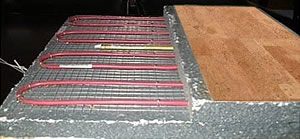
Cork Floor over radiant floor heating systems
Forna cork floors are well-suited for use with in-floor radiant heating systems. We recommend cork primarily with hydronic (water/gel) systems, but recognize that electric radiant systems are also common, especially as retrofit options.
If you’re using an electric radiant floor heating system, please note: not all of our floating floors are approved for electric systems. Always refer to the compatibility chart below to confirm.
This caution exists because electric systems are more prone to overheating or short-circuiting, which poses fire risks when used with natural, flammable products like wood or cork. Proper system controls and safe installation are essential.
Product Compatibility Chart
Here’s a quick reference to see which Forna floors work with hydronic and electric radiant heating:
| Flooring Type | Hydronic Radiant (Water/Gel) | Electric Radiant |
|---|---|---|
| 12mm Cork Floating Flooring | Yes | No |
| 11mm Swiss Cork Floating Flooring | Yes | Yes |
| 11mm Swiss Design Cork Floating Flooring | Yes | Yes |
| 10.5mm Design Cork Floating Flooring | Yes | No |
| 10mm Cork Floating Flooring | Yes | No |
| 8mm Glue-Down Cork Tile | Yes (not recommended) | No |
| 6mm Glue-Down Cork Tile | Yes (not recommended) | No |
| Techslate Floating Flooring | Yes | Yes |
| Real Leather Floating Flooring | Yes | Yes |
| Real Linoleum Design Floating Flooring | Yes | Yes |
| Real Swiss Stone Floating Flooring | Yes | Yes |
Recommended Flooring Types
We highly recommend floating floors for installations over radiant heating. They are designed to “float” as a unit and allow for natural expansion and contraction when the floor warms up.
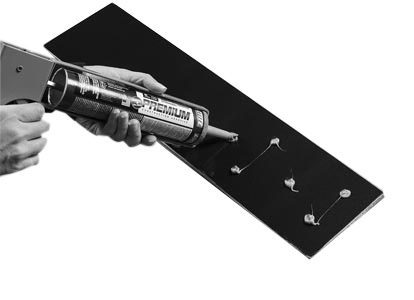
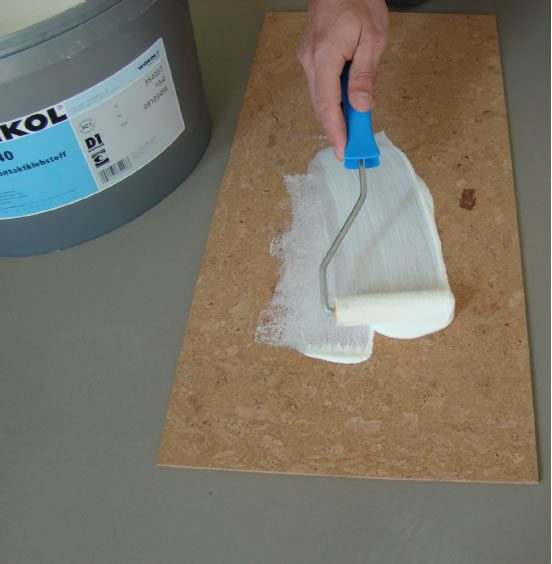
Glue-down cork tiles can, in some cases, be used over hydronic systems embedded in concrete, provided there is at least a 1-inch (25 mm) concrete overpour above the tubing. This protective layer is critical because cork adhesives are temperature-sensitive. If the concrete layer is too thin and overheats, the adhesive may soften, causing tiles to lose adhesion and lift.
Maximum Temperature Guidelines
Cork floors should never be exposed to surface temperatures above 28°C (85°F). Exceeding this limit risks damaging the cork and compromising adhesives or locking systems.
Installation Guidelines
-
Preheat the slab: The radiant system should be brought to room temperature at least 10 days before installation. This ensures the concrete has stabilized and any residual moisture has evaporated.
-
Acclimate the cork: At the same time, allow cork flooring to acclimate in the room for 48–72 hours. Open cartons and lean planks against the wall so they can adjust evenly. Maintain room temperature between 18–24°C (65–75°F).
-
Install under stable conditions: The heating system should remain on during installation, set to the lower end of the room temperature range to avoid overheating the work environment.
-
Temperature changes: For systems set in concrete, raise or lower the temperature gradually. Do not exceed 5°C (9°F) per 24 hours. Rapid changes in temperature or humidity can cause visible stress, warping, or damage to the cork.
Final Notes
-
Floating floors are the safest and most reliable choice for radiant systems.
-
Glue-down tiles should only be used over hydronic systems with the proper concrete overpour.
-
Always respect maximum temperature limits and acclimation procedures for best results.
By following these guidelines, you’ll enjoy the comfort and beauty of cork flooring while ensuring long-term performance with your radiant heating system.